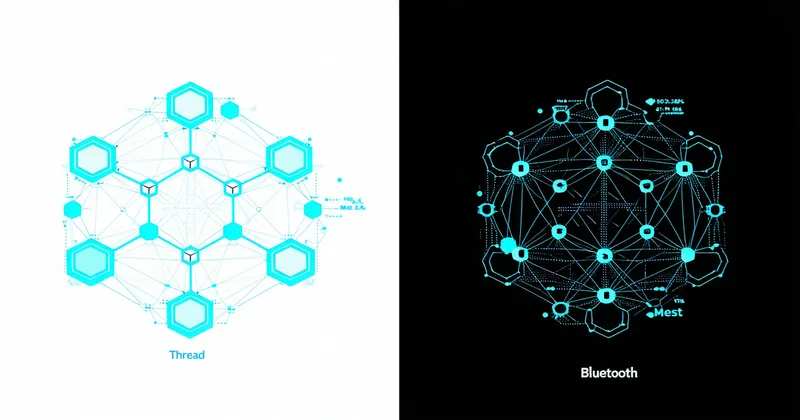
Thread vs Bluetooth Mesh for Facility Deployments
Choosing between Thread and Bluetooth Mesh for a commercial building deployment comes down to three variables: latency tolerance, battery budget, and your existing IP infrastructure.
Protocol selection tradeoffs, BACnet/IP integration patterns, OTA rollout design, and lessons from production facilities. Written by the engineers who commission and support Meshkindle deployments.
Choosing between Thread and Bluetooth Mesh for a commercial building deployment comes down to three variables: latency tolerance, battery budget, and your existing IP infrastructure.
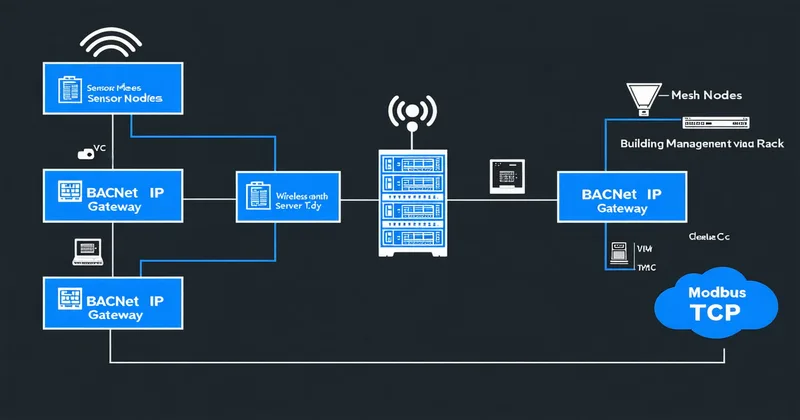
BACnet/IP over Ethernet is the lingua franca of building automation. Here is how Meshkindle maps wireless mesh sensor data directly onto BACnet objects — without a middleware translation layer.
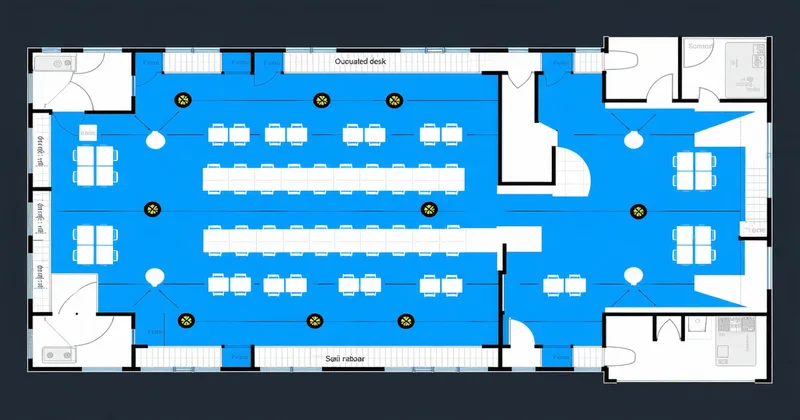
60 GHz mmWave radar provides sub-centimeter presence detection without capturing any image data. This article covers sensor placement geometry, dead-zone compensation, and latency characteristics in practice.
Rolling a firmware update across a 1,000-node mesh without taking down active sensors requires careful blob segmentation, acknowledgment windows, and rollback triggers. This is how MeshOS handles it.
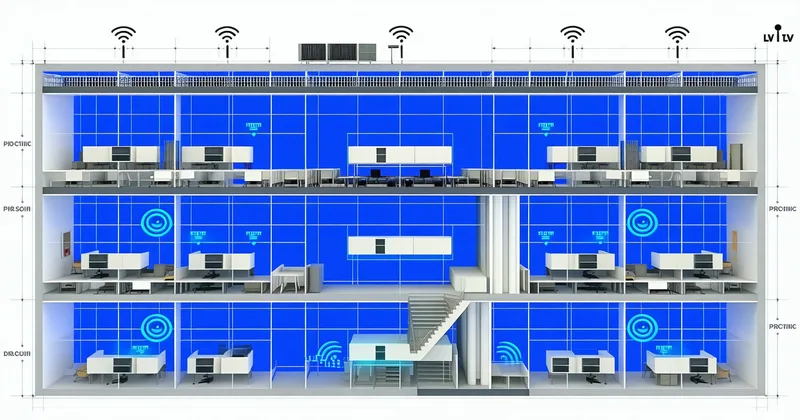
Pre-1990s commercial buildings were not wired for zone-level HVAC control. Retrofitting wireless mesh sensors for occupancy-driven setpoints requires understanding the Modbus register map your BMS already uses.
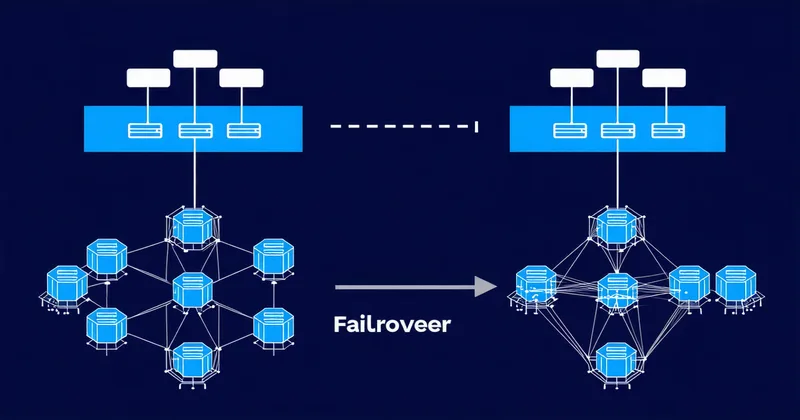
A single gateway is a single point of failure. This article walks through active-standby gateway pairing, mesh-level re-association triggers, and the cloud-side reconciliation protocol that keeps uptime above 99.9%.
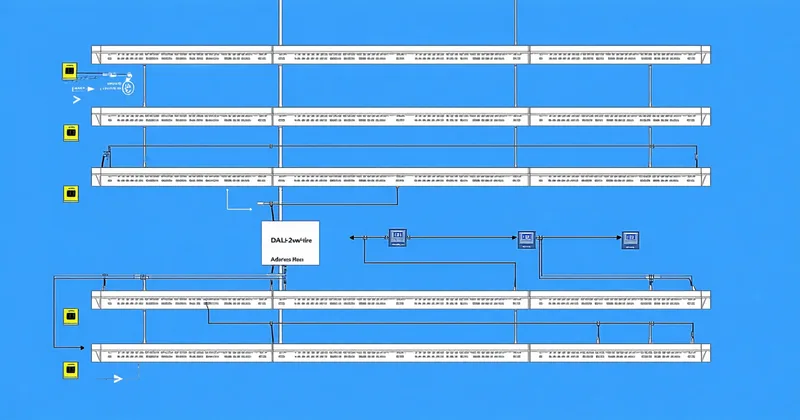
The DALI-2 bus was designed for hard-wired addressable luminaires. Bridging it through Bluetooth Mesh adds a wireless backhaul but also introduces address-space mapping and commissioning complexity worth understanding before spec.
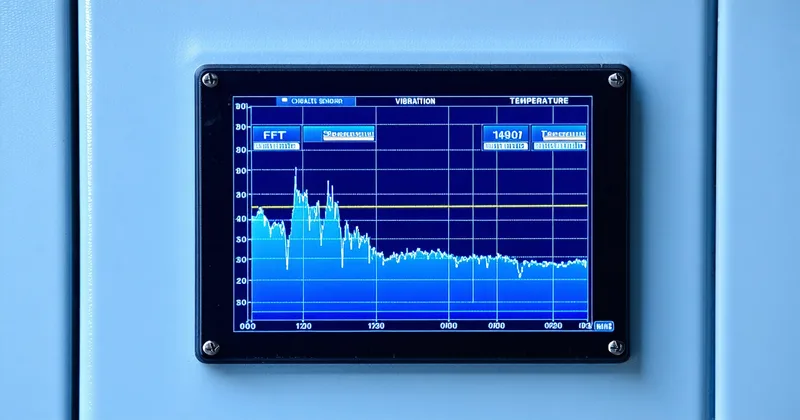
Vibration, acoustic emission, and bearing temperature each diagnose different failure modes in rotating HVAC equipment. This guide covers sensor placement, sampling rate requirements, and the alert thresholds that matter for chillers and AHUs.